
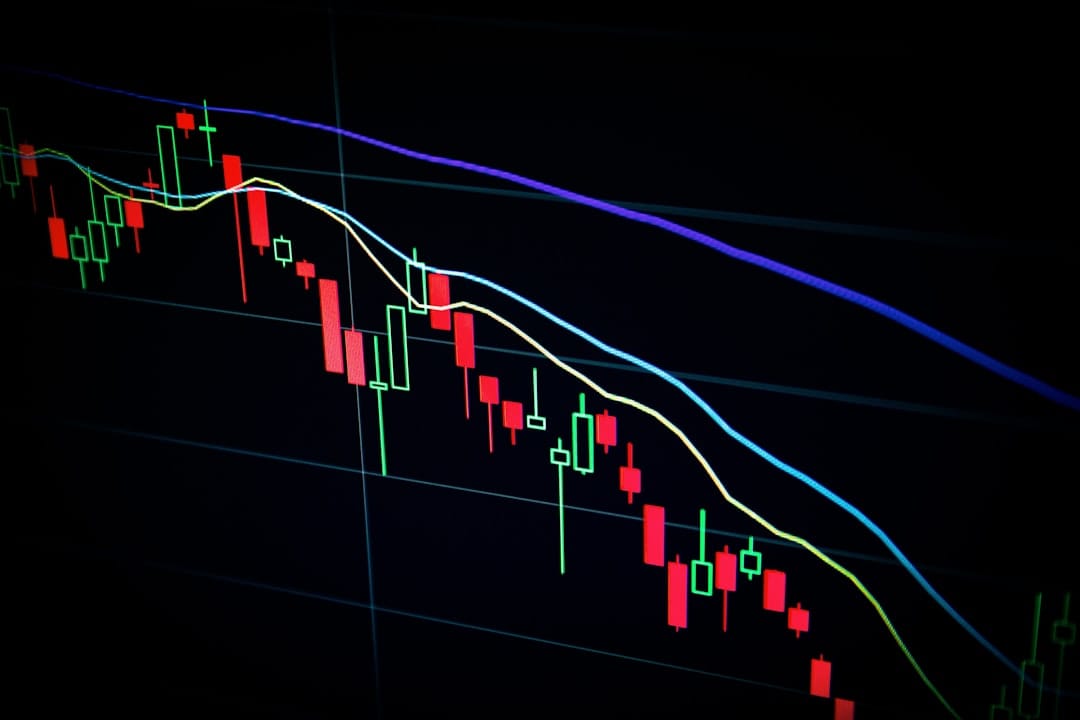
The legal expansion of the Wisconsin Tribe’s lawsuit against Kalshi, alongside a Stifel report highlighting the platform’s domestic dominance, has intensified the battle over prediction market liquidity. This conflict highlights a major shift toward crypto prediction markets and decentralized betting platforms that bypass traditional domestic regulatory bottlenecks. As centralized operators face escalating legal friction from sovereign gaming authorities, international volume is rapidly migrating to blockchain-based alternatives.
The Domestic Liquidity Battle and Tribal Friction
Centralized prediction markets in the United States operate under a highly fragmented and heavily contested regulatory framework. A recent market analysis by Stifel indicates that Kalshi commands approximately 90% of the regulated domestic market share. However, this figure represents only a fraction of global transaction volume, as it excludes the massive liquidity pools operating on offshore and blockchain-based networks. Platforms like Polymarket have demonstrated the immense scale of unregulated alternatives, processing over $3 billion in volume during peak macroeconomic events.
This stark contrast highlights an efficiency gap. Centralized platforms are bound by strict clearinghouse rules, capital requirements, and regional limitations. Conversely, decentralized betting platforms leverage global liquidity pools, allowing for tighter spreads and highly efficient contract pricing. This structural advantage makes decentralized options highly attractive to analytical bettors seeking positive expected value (+EV) opportunities without the drag of heavy brokerage fees or localized market restrictions.
Regulatory Hurdles and Technical Sovereignty
The core of the legal challenge initiated by the Wisconsin Tribe lies in gaming sovereignty. The tribe alleges that Kalshi’s election contracts and event markets infringe upon exclusive tribal gaming rights guaranteed under federal law and state compacts. This dispute underscores a fundamental vulnerability of centralized, onshore operators: they are highly susceptible to local litigation, injunctions, and shifting regulatory mandates from bodies like the Commodity Futures Trading Commission (CFTC).
Technically, decentralized platforms mitigate these systemic risks through smart contract execution. By utilizing immutable ledger technology, a decentralized platform ensures that contract settlement is governed by objective data feeds rather than centralized intermediaries. This reduces counterparty risk and eliminates the possibility of unilateral fund freezes—a critical factor for high-exposure bettors managing a strict bankroll. When transactions are executed directly on-chain, the platform operates with mathematical predictability, free from the operational variance of traditional legal disputes.
The Player Perspective: Capital Efficiency and Risk Mitigation
For professional risk managers and high-volume bettors, platform selection is a critical component of long-term profitability. Centralized platforms enforce rigorous KYC protocols, deposit limits, and geographic restrictions that degrade the user experience and limit market access. For international participants navigating these geo-restrictions, utilizing anonymous crypto casinos and decentralized interfaces has become a standard risk-mitigation strategy.
Furthermore, settlement latency is a critical operational metric. Traditional financial institutions can take several business days to clear large transactions. This capital inefficiency prevents bettors from dynamically allocating funds to capture shifting odds. Consequently, the demand for fast withdrawal crypto casinos and decentralized betting platforms has surged, as they allow near-instantaneous movement of capital. Evaluating these platforms requires a rigorous framework, similar to the metrics used to identify high trust crypto casinos, focusing on liquidity depth and historical payout reliability.
Market Outlook and Bayesian Projections
Applying Bayesian reasoning to the current trajectory suggests that centralized prediction markets will continue to face escalating legal and regulatory headwinds. As regional jurisdictions and tribal authorities assert their rights, domestic operators will likely see their product offerings restricted. This regulatory pressure will inevitably drive the next wave of liquidity toward decentralized alternatives.
Traders looking to benchmark platform performance can utilize a comprehensive crypto casino comparator to assess fee structures and operational uptime. The long-term equilibrium of the prediction market will be determined by which platforms can offer the highest capital efficiency, the lowest regulatory risk, and the deepest liquidity pools.
For players prioritizing fast crypto withdrawals, operational stability, and privacy-focused wagering environments, platforms such as Trusted Casino continue gaining traction among international bettors.
Frequently Asked Questions
How do decentralized prediction markets differ from centralized platforms like Kalshi?
Centralized platforms rely on traditional financial clearinghouses, strict regional licensing, and intensive KYC protocols. Decentralized prediction markets utilize smart contracts on blockchain networks, offering global liquidity, rapid settlements, and lower transaction fees.
Why are tribal gaming authorities challenging centralized prediction markets?
Tribal authorities argue that commercial event wagering and prediction contracts infringe upon their exclusive gaming sovereignty and tribal-state compacts, which grant them exclusive rights to offer class III gaming activities within their jurisdictions.
How does liquidity impact the expected value (+EV) of prediction market bets?
Higher liquidity reduces the bid-ask spread, allowing traders to enter and exit positions at fairer prices. This market efficiency ensures that analytical bettors can maximize their expected value without losing significant margin to slippage or high operator fees.
Disclaimer: This news article is provided for informational and educational purposes only. The iGaming industry is subject to frequent regulatory changes.
Before engaging in any gaming activity, please consult our Responsible Gaming Guide and our Terms & Conditions.
Always gamble responsibly and within your limits.
Photo by Maxim Hopman on Unsplash