
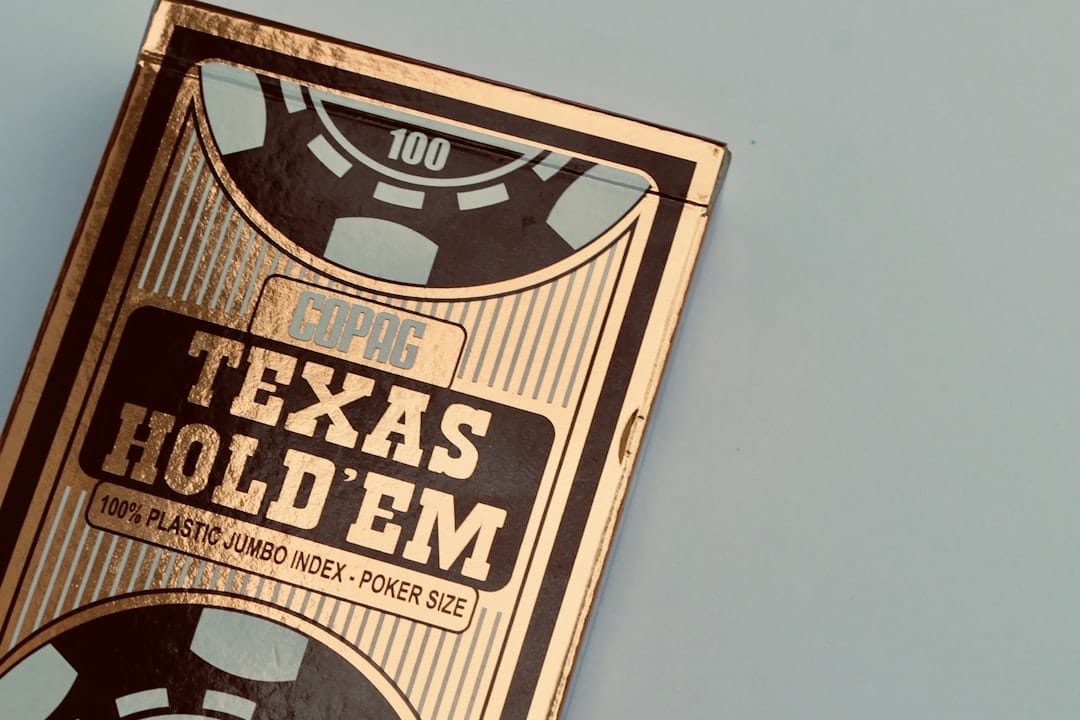

Game Info
2.04%
Intermediate
Card Games
Introduction and History of Texas Hold’em Bonus Poker
During the spectacular poker boom of the early 2000s, Texas Hold’em became a household name across Canada. Players from Vancouver to Toronto were captivated by the bluffing, the strategy, and the drama of the card table. However, traditional peer-to-peer poker rooms can be intimidating for beginners and slow-paced for casual gamblers. To capture this excitement in a fast-paced, house-banked format, table game inventors developed Texas Hold’em Bonus Poker.
Patented in the mid-2000s, this variation allows players to go head-to-head directly against the dealer rather than other players. This setup eliminates the pressure of bluffing while retaining the core strategic elements of community card poker. With the rise of modern online gambling, the game has undergone another massive evolution. Today, Canadian players are flocking to modern platforms where they can play Texas Hold’em Bonus Poker using cryptocurrencies like Bitcoin and Ethereum. If you want to explore the ultimate hubs for digital card gaming, check out our curated list on the home page to find highly secure, licensed crypto casinos.
Game Setup and Components
To master Texas Hold’em Bonus Poker, you must first understand the layout of the table and the tools of the game. The game is played with a standard, single 52-card deck, which is shuffled after every round of play to ensure absolute fairness and unpredictability.
The playing table features a specialized felt layout designed for structured betting. Each player’s position has several distinct betting circles:
- Ante: The initial mandatory bet required to receive your hole cards.
- Bonus: An optional side bet placed before the cards are dealt, paying out based on the strength of your initial two hole cards (and sometimes the dealer’s hole cards).
- Flop: The betting circle where you must place a bet equal to exactly twice (2x) your Ante if you wish to see the first three community cards.
- Turn: The betting circle where you can choose to place a bet equal to exactly 1x your Ante to see the fourth community card, or simply check.
- River: The final betting circle where you can choose to place a bet equal to exactly 1x your Ante to see the fifth community card, or check.
Unlike traditional poker, there is no physical “dealer button” that rotates, as every active player at the table is competing solely against the dealer’s hand.
Step-by-Step Rules (Gameplay)
Playing a round of Texas Hold’em Bonus Poker follows a strict sequence of actions. Follow this step-by-step guide to play your hands flawlessly:
Step 1: Placing the Bets
Before any cards are distributed, you must place a wager in the Ante circle. At this stage, you also have the option to place a wager in the Bonus circle. In crypto casinos, these wagers are easily adjusted using digital chip values representing micro-bitcoins (mBTC) or other crypto tokens.
Step 2: The Deal
The dealer distributes two cards face-down to you and two cards face-down to themselves. You are permitted to look at your own cards, but the dealer’s cards remain hidden.
Step 3: The Pre-Flop Decision
After evaluating your two hole cards, you must make a critical decision:
- Fold: You forfeit your hand and surrender your Ante bet. The round ends for you (though your Bonus bet, if placed, may still be active depending on the house rules).
- Flop Bet (Call): To continue, you must place a bet in the Flop circle that is exactly twice (2x) the size of your initial Ante.
Step 4: The Flop and the Turn Decision
Once you make the Flop bet, the dealer burns a card and deals three face-up community cards in the center of the table (The Flop). You now have the opportunity to analyze your hand’s potential and choose to:
- Check: Pass the action without betting anything extra.
- Turn Bet: Place a wager equal to exactly 1x your Ante in the Turn circle.
Step 5: The Turn and the River Decision
The dealer reveals the fourth community card (The Turn). Once again, you face a strategic choice:
- Check: Pass the action without wagering more.
- River Bet: Place a wager equal to exactly 1x your Ante in the River circle.
Step 6: The River and the Showdown
The dealer reveals the fifth and final community card (The River). The dealer then turns over their two hole cards. Both you and the dealer construct the best possible five-card poker hand using any combination of your two hole cards and the five community cards on the board.
Understanding Showdown Payouts
The hand rankings follow standard poker rules (from High Card up to Royal Flush). The winner is determined by comparing your best five-card hand to the dealer’s:
- If the dealer has the better hand, you lose all of your active bets (Ante, Flop, Turn, and River).
- If your hand beats the dealer’s hand, your Flop, Turn, and River bets are paid out at even money (1:1).
- The Ante Rule: The Ante bet only pays even money (1:1) if your winning hand is a Straight or better. If you beat the dealer with a hand lower than a Straight (such as Three of a Kind, Two Pair, or One Pair), your Ante bet pushes (returns to you with no profit).
- If you tie with the dealer, all bets push.
Advanced Strategies and Winning Tips
While luck plays a significant role in which cards are dealt, Texas Hold’em Bonus Poker is highly strategic. Making mathematically correct decisions on the pre-flop and community card streets dramatically lowers the house edge. To deepen your understanding of casino game mathematics, make sure to visit our comprehensive academy.
Pre-Flop Strategy: When to Fold
Because the Flop bet requires 2x your Ante, you should be folding weak starting hands. As a general rule of thumb, you should play about 95% of your hands, meaning you should only fold the absolute worst starting cards. You should fold unsuited low cards that do not connect, specifically:
- 2-3, 2-4, 2-5, 2-6, 2-7 unsuited.
- 3-4, 3-5, 3-6, 3-7 unsuited.
- 4-5, 4-6 unsuited.
Almost any hand containing an Ace, King, Queen, or a pocket pair should always be played. Play all suited cards and any consecutive cards (connectors) as they hold strong straight and flush potential.
Post-Flop Strategy: Turn and River Bets
Once you are past the Flop, the cost of betting on the Turn and River is only 1x your Ante. This makes checking a highly viable option if you have not made a strong hand or a premium draw.
To maximize value, you should bet the Turn and River if you have a pair or better, or if you hold a strong draw (four cards to a flush or an open-ended straight draw). If you have absolutely nothing and no real draws, check to see the next cards for free.
The Truth About the Bonus Side Bet
The optional Bonus bet can be incredibly tempting because of its massive payouts. For example, getting dealt pocket Aces can pay up to 30:1, and if both you and the dealer hold pocket Aces, payouts can soar to 1,000:1. However, the house edge on this side bet is significantly higher (typically around 8.5% to 11%) compared to the main game. If you want to compare which online platforms offer the most player-friendly rules and bonus structures, check out our interactive comparator.
Common Mistakes to Avoid
Even seasoned poker players make costly errors when transitioning to Texas Hold’em Bonus Poker. Avoid these common pitfalls to keep your bankroll healthy:
- Folding Too Many Hands: Some players treat this game like traditional Texas Hold’em tournament play, folding up to 40% of their starting hands. Because you are only playing against one dealer hand, folding this often gives up too much equity. You should only fold around 5% of the worst unsuited hands.
- Overvaluing the Bonus Side Bet: Chasing the massive 1,000:1 payouts by constantly wagering on the Bonus circle can deplete your crypto balance quickly. Use the Bonus bet sparingly as an occasional thrill rather than a core strategy.
- Failing to Check the Turn and River: Do not feel compelled to bet on every single street. If the Flop did not improve your cards and you do not have a strong draw, checking is the correct, mathematically sound play.
- Ignoring Table Payout Variations: Always check the paytable before sitting down, especially when playing online. Some variants may have different thresholds for when the Ante bet pays out or pushes. Keeping up with industry shifts is key; you can read about the latest software variants and trends on The Bitruler’s news hub.
Conclusion
Texas Hold’em Bonus Poker offers the perfect blend of poker strategy and classic casino action. By eliminating peer-to-peer psychological warfare and focusing on mathematical hand values, it provides a highly engaging experience for Canadian players. Playing with cryptocurrencies adds extra benefits, including rapid payouts, enhanced privacy, and provably fair gaming algorithms. By memorizing starting hand requirements and knowing when to check on the turn and river, you can keep the house edge to an absolute minimum and enjoy an exciting, rewarding session.
Play now with exclusive sign up bonus at 7Bit Casino.
Frequently Asked Questions
Can I bluff the dealer in Texas Hold’em Bonus Poker?
No, you cannot bluff the dealer. Since the dealer does not make subjective decisions and must play their hand out to the showdown according to strict mathematical rules, bluffing serves no purpose in this game.
Does the Ante bet always pay out if I win the hand?
No. In Texas Hold’em Bonus Poker, your Ante bet only pays out 1:1 if your winning five-card hand is a Straight or better. If you win the hand with a lower value (like One Pair or Two Pair), your Ante bet pushes and is simply returned to you.
Is the Bonus side bet worth playing?
While the Bonus bet offers high payouts up to 1,000:1, it carries a much higher house edge (typically around 8.5% to 11%) than the base game. It is best enjoyed as an occasional, small side wager rather than a primary betting strategy.
Game Indicators & Specifications
| Indicator | Value / Specification |
|---|---|
| House Edge | 2.04% (on Ante) / ~0.53% (Element of Risk) |
| RTP (Return to Player) | 97.96% |
| Volatility | Medium |
| Hit Frequency | Moderate |
| Max Win | 1,000:1 (via Bonus Bet) |
| Skill Factor | High (Requires strategic folding and street betting decisions) |
| Bonus Frequency | Low (Based on rare premium pocket combinations) |
Disclaimer: Before you start playing, it is essential to understand the risks involved. This guide is for educational purposes only.
Please read our full Responsible Gaming Guide and Terms & Conditions before placing any bets.
Never gamble more than you can afford to lose.
Photo by Rich Smith on Unsplash