

Game Info
2.7%
Intermediate
Roulette
Introduction and History of Double Ball Roulette
Double Ball Roulette is a modern and exhilarating twist on the traditional casino classic that has taken the Canadian gambling market by storm. While the origins of standard roulette date back to 18th-century France, Double Ball Roulette is a relatively recent innovation. It was first introduced to the casino floor in Las Vegas around 2014 by Gamesman, a manufacturer seeking to inject fresh excitement into the table games sector. Since then, it has evolved into a staple for both land-based and online casinos, particularly through high-quality live dealer versions provided by industry giants like Evolution Gaming.
For Canadian players, the appeal of Double Ball Roulette lies in its increased action and the potential for massive payouts that are simply impossible in the standard version. By utilizing two balls instead of one, the game creates a unique mathematical landscape where the odds of winning are doubled on certain bets, while other bets require both balls to land in sync for a life-changing jackpot. If you are looking to explore the best places to play this variant, you can find trusted casinos visit our home page for a curated list of top-tier platforms.
The Evolution of the Wheel
Historically, roulette has seen very few changes to its core mechanics. However, the introduction of the dual-ball system required a complete redesign of the delivery mechanism. Instead of a croupier manually spinning the balls, Double Ball Roulette typically uses a compressed air tube that launches two balls almost simultaneously at the same speed, ensuring they do not collide while in flight. This technological leap has made the game a favorite for those seeking igame recent insights by The Bitruler regarding the latest trends in casino technology.
Game Setup and Components
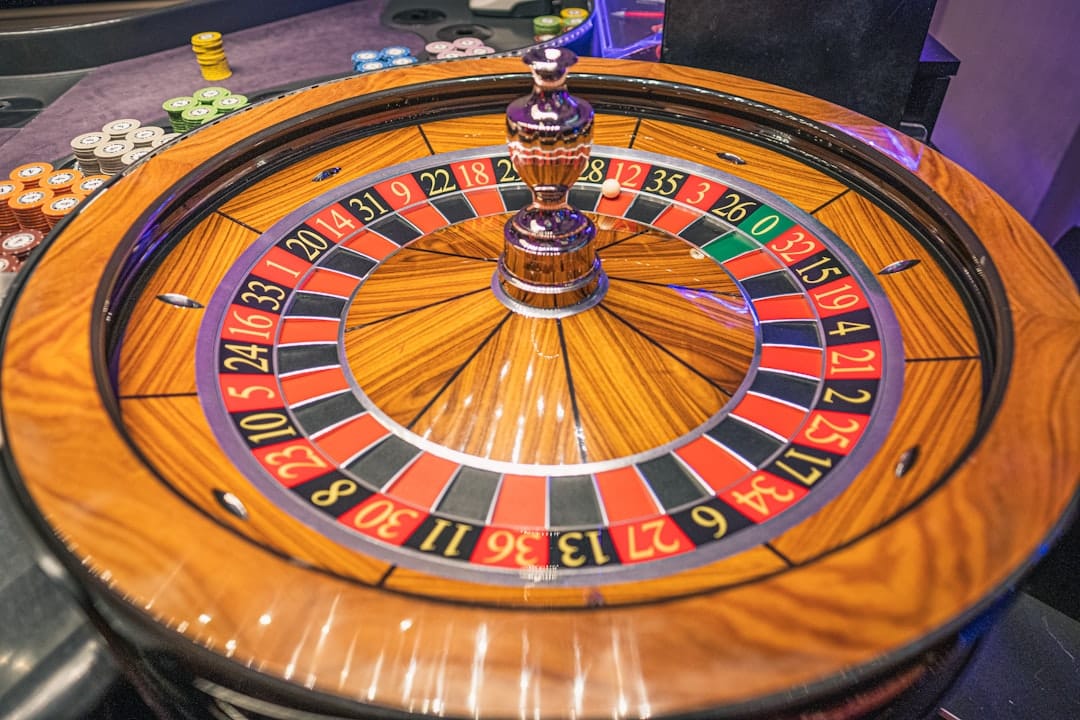
Double Ball Roulette uses a standard European or American wheel layout, but the mechanics behind the scenes are quite different. Here are the primary components that make the game unique:
- The Wheel: Most versions utilize the European single-zero wheel (37 pockets), though American versions (38 pockets) exist. The wheel is fitted with a specialized remote-controlled air compressor.
- The Balls: Two identical white balls are used. They are launched from a tube and orbit the rim of the wheel.
- The Layout: The betting table is similar to standard roulette but includes additional areas for “Double Ball” specific bets, such as the elusive 1300:1 Double Ball Jackpot.
- The Payout Interface: In online versions, the digital interface clearly distinguishes between “Inside Bets” and “Outside Bets,” as the rules for winning differ significantly between the two.
Understanding these components is the first step toward mastery. For more technical breakdowns of game mechanics, players often visit the strategies and learning section of our academy.
Step-by-Step Rules (Gameplay)
The core objective remains the same: predict where the balls will land. However, because there are two balls, the winning conditions are divided into two categories.
1. Placing Your Bets
The betting round begins just like standard roulette. You place your chips on the numbers, colors, or sections of your choice. In Double Ball Roulette, you have two distinct ways to win depending on where you place your chips.
2. Inside Bets (Either Ball Wins)
Inside bets include straight-up numbers, splits, streets, corners, and lines. In this game, you win an inside bet if **either** ball lands on your chosen number. Because you have two chances to win, the payouts are roughly half of what you would find in standard roulette. For example, a Straight Up bet usually pays 17:1 or 17.5:1, compared to the traditional 35:1.
3. Outside Bets (Both Balls Must Win)
Outside bets (Red/Black, Odd/Even, Dozens, Columns) are much more difficult to hit. For an outside bet to pay out, **both balls** must land in the designated area. For example, if you bet on Red, both balls must land in red pockets. Because this is harder to achieve, the payouts are significantly higher (e.g., Red/Black pays 3:1 instead of 1:1).
4. The Double Ball Jackpot
This is the highlight of the game. You can bet that both balls will land in the exact same pocket. If you place a bet on a specific number and both balls land there, the payout is a staggering 1300:1. This is the highest payout in the world of non-progressive roulette games.
5. The Launch
Once bets are closed, the dealer (or the automated system) triggers the compressed air. The balls orbit the wheel and eventually settle into two pockets. If both balls land in the same pocket, all bets on that number win the jackpot, and any inside bets on that number are paid out for both balls.
Advanced Strategies and Winning Tips
While roulette is primarily a game of chance, the two-ball mechanic allows for unique hedging strategies. Before diving into advanced play, it is wise to consult a crypto casinos comparison to ensure you are playing on a platform that offers the best house edge and bonuses for this specific variant.
The “Spread” Strategy
Because inside bets pay out if only one ball hits, you can cover more of the board with less risk of a total loss. By betting on two different Straight Up numbers, you effectively have four chances to hit a winner. This increases hit frequency and helps maintain a bankroll during longer sessions.
Hedging with Outside Bets
Many professional players use the high payout of outside bets (3:1 for Red/Black) to hedge against inside losses. Since the probability of both balls landing on the same color is 25%, it provides a decent opportunity to recoup losses from more aggressive number hunting.
The Jackpot Chase
Statistically, the Double Ball Jackpot (1300:1) is a long shot. The odds are approximately 1 in 1,369 on a European wheel. Strategy-wise, it is best treated as a side bet with a small portion of your bankroll. Never “chase” the jackpot by increasing your units after a loss, as the volatility is extremely high.
Common Mistakes to Avoid
Newcomers to Double Ball Roulette often fall into several traps due to the complexity of the two-ball system:
- Confusing Inside and Outside Rules: The most common mistake is assuming that an outside bet (like Red) wins if just one ball lands on red. Remember: Inside = One Ball; Outside = Both Balls.
- Ignoring the Payout Table: Not all casinos offer the same payouts. Some might offer 1200:1 for the jackpot, while others offer 1300:1. Always check the paytable before sitting down.
- Overextending on the Jackpot: The 1300:1 payout is seductive, but the hit frequency is low. Players often burn through their bankroll by only betting on the jackpot.
- Misunderstanding the House Edge: While there are two balls, the house edge is still present in the adjusted payouts. Don’t be fooled into thinking your odds of profit have doubled just because there are two balls.
Conclusion
Double Ball Roulette is a masterful evolution of a classic game, offering Canadian players a unique blend of high hit frequency on inside bets and massive, high-volatility rewards on outside and jackpot bets. Its integration of modern pneumatic technology and traditional betting structures makes it a must-try for any casino enthusiast. Whether you are playing for the steady wins of the inside bets or the life-changing 1300:1 jackpot, understanding the rules and nuances of this game is essential for success.
By following the strategies outlined above and avoiding common pitfalls, you can maximize your enjoyment and potential returns. Remember to play responsibly and keep an eye on the latest updates in the gaming world to stay ahead of the curve.
Game Indicators Summary
| Indicator | Value |
|---|---|
| House Edge | 2.7% (Single Zero) / 5.26% (Double Zero) |
| RTF (Return to Player) | 97.30% |
| Volatility | High (due to 1300:1 Jackpot) |
| Hit Frequency | High (for Inside Bets) / Low (for Outside Bets) |
| Max Win | 1300:1 |
| Skill Factor | Low (Game of Chance) |
| Bonus Frequency | N/A (Standard Gameplay) |
Disclaimer: Before you start playing, it is essential to understand the risks involved. This guide is for educational purposes only.
Please read our full Responsible Gaming Guide and Terms & Conditions before placing any bets.
Never gamble more than you can afford to lose.