

Game Info
2.70%
Beginner
Roulette
Introduction to European Roulette
European Roulette is often hailed as the ‘King of Casino Games,’ a title it has earned through centuries of prestige, excitement, and its presence in the world’s most luxurious gambling halls. For Canadian players, whether they are visiting the elegant floors of the Casino de Montréal or playing at a licensed online platform from the comfort of their home in Ontario, European Roulette represents the gold standard of the genre.
Unlike its American counterpart, which features a double zero (00), the European version is beloved for its single zero (0) pocket. This seemingly small difference significantly alters the odds in favor of the player, making it the preferred choice for strategic gamblers across Canada. In this comprehensive guide, we will explore everything from the origins of the spinning wheel to the advanced betting patterns used by professionals to maximize their winning potential.
The History of the Wheel
The origins of Roulette are a blend of physics and chance. The game was birthed in 17th-century France by the famous mathematician and physicist Blaise Pascal. Ironically, Pascal wasn’t trying to create a gambling game; he was attempting to invent a perpetual motion machine. While he failed at defying the laws of thermodynamics, he succeeded in creating one of the most balanced and captivating games of chance in history.
The game as we know it today took shape in the mid-19th century when François and Louis Blanc introduced the single-zero wheel in Bad Homburg and later in Monte Carlo. By removing the second zero commonly found in earlier versions, they attracted players from all over Europe, cementing the ‘European’ style as the premier way to play. Today, it remains a staple in both brick-and-mortar and online casinos across the Canadian market.
Game Setup and Components
To master European Roulette, one must first understand the physical and digital components that make up the game. The setup consists of three primary elements: the wheel, the ball (or ‘pill’), and the betting layout.
The European Wheel
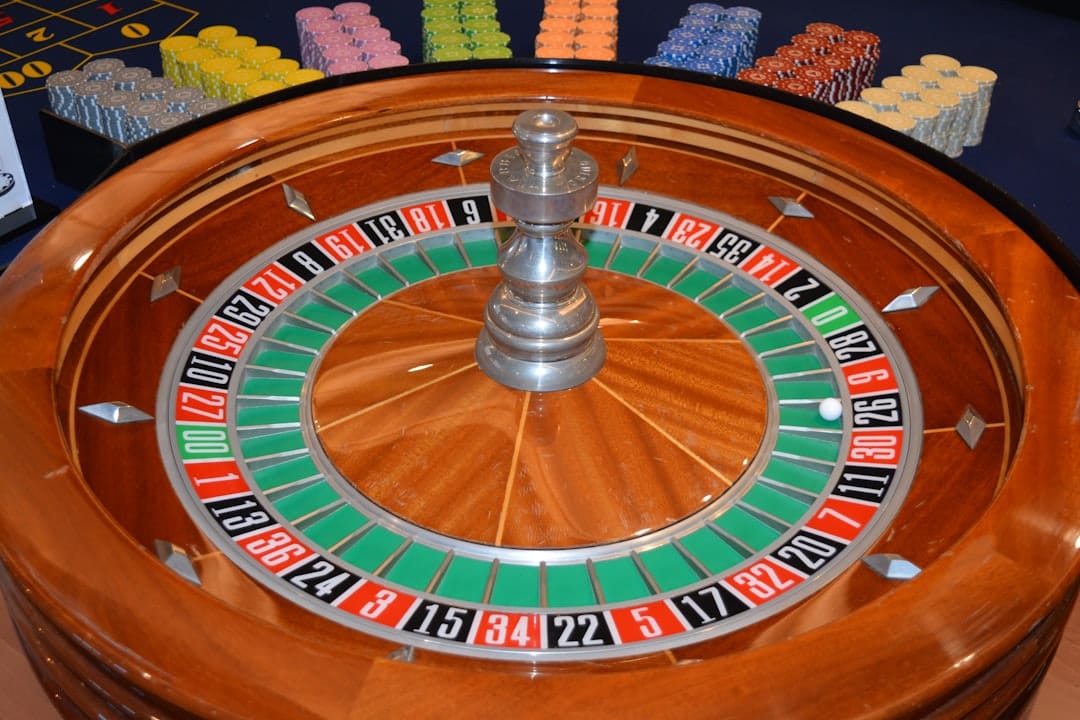
The wheel is the heart of the game. It contains 37 numbered pockets, ranging from 0 to 36. The numbers are not arranged in chronological order but are strategically placed to balance high and low, and odd and even numbers. The zero pocket is colored green, while the numbers 1 through 36 alternate between red and black. The specific sequence on a European wheel is: 0, 32, 15, 19, 4, 21, 2, 25, 17, 34, 6, 27, 13, 36, 11, 30, 8, 23, 10, 5, 24, 16, 33, 1, 20, 14, 31, 9, 22, 18, 29, 7, 28, 12, 35, 3, 26.
The Betting Layout
The table (or ‘felt’) is where players place their chips. It is divided into two main sections: the ‘Inside’ and the ‘Outside.’ The Inside area contains the individual numbers (0-36). The Outside area contains boxes for broader bets, such as Red/Black, Even/Odd, and the three Columns/Dozens. In some high-end Canadian casinos and professional online variants, you might also see a ‘Racetrack’ layout, which allows for ‘French Bets’ based on the physical position of numbers on the wheel.
Step-by-Step Rules (Gameplay)
Playing European Roulette is straightforward, but understanding the flow of the game ensures a smooth experience. Here is the typical sequence of a round:
Step 1: Placing Bets
Players begin by placing their chips on the desired sections of the table. You can bet on a single number, a group of numbers, colors, or mathematical properties (like even or odd). In a live casino, the dealer (croupier) will signify the start of the round.
Step 2: The Spin
The dealer spins the wheel in one direction and launches a small white ball in the opposite direction along a back track. In online versions, this is initiated by clicking the ‘Spin’ button, where a Random Number Generator (RNG) determines the outcome.
Step 3: “No More Bets”
As the ball begins to slow down and drop toward the pockets, the dealer will call out “Rien ne va plus” or “No more bets.” At this point, no further chips can be placed or moved on the table.
Step 4: The Result
The ball eventually settles into one of the 37 pockets. The dealer identifies the winning number and color. In a physical casino, a marker called a ‘dolly’ is placed on the winning number on the felt.
Step 5: Payouts
The dealer clears all losing bets and pays out the winners according to the established payout table. Once all payments are made, the dolly is removed, and the next round begins.
Common Bet Types and Payouts
- Straight Up (1 Number): 35 to 1
- Split (2 Numbers): 17 to 1
- Street (3 Numbers): 11 to 1
- Corner (4 Numbers): 8 to 1
- Line Bet (6 Numbers): 5 to 1
- Column/Dozen: 2 to 1
- Red/Black, Even/Odd, High/Low: 1 to 1 (Even Money)
Advanced Strategies and Winning Tips
While Roulette is a game of chance, veteran Canadian players often use betting systems to manage their bankroll and capitalize on winning streaks. It is important to remember that no strategy can overcome the house edge in the long run, but they can make the game more structured.
The Martingale System
This is the most famous strategy. It involves doubling your bet after every loss on an even-money bet (like Red/Black). The idea is that when you eventually win, you recover all previous losses plus a profit equal to your original stake. Note: This requires a large bankroll and can be risky due to table limits.
The James Bond Strategy
Popularized by the fictional spy, this is a flat betting system where you cover a large portion of the table. You place a large bet on high numbers (19-36), a smaller bet on the Line (13-18), and a tiny insurance bet on 0. This covers 25 of the 37 possible outcomes.
The Fibonacci Sequence
Based on the mathematical sequence (1, 1, 2, 3, 5, 8, 13, etc.), players increase their bets following this progression after a loss and move back two steps after a win. It is considered less aggressive than the Martingale.
Bankroll Management Tips
Always set a budget before you start playing. A common tip for Canadian players is to use the ‘Single Session’ rule: never bring more money to the table than you are willing to lose in one sitting. Additionally, look for ‘En Prison’ or ‘La Partage’ rules. Though more common in French Roulette, some European tables offer these rules, which return half your even-money bet if the ball lands on zero.
Common Mistakes to Avoid
Even experienced players can fall into traps. Here are the most common pitfalls to avoid:
- Chasing the ‘Due’ Number: The Gambler’s Fallacy suggests that if Red has won five times in a row, Black is ‘due.’ In reality, every spin is an independent event with the exact same odds.
- Playing American Roulette: If European Roulette is available, never play the American version. The extra ’00’ in American Roulette increases the house edge from 2.70% to 5.26%.
- Over-betting the Bankroll: Placing large bets relative to your total funds can lead to a quick exit. Aim for bets that allow for at least 20-50 spins.
- Misunderstanding Payouts: Ensure you know the difference between ‘Inside’ and ‘Outside’ bets. Inside bets have higher payouts but much lower chances of hitting.
Conclusion
European Roulette remains the definitive casino experience for players across Canada. Its perfect balance of simplicity and depth allows beginners to jump in immediately, while offering enough complexity for seasoned strategists. By choosing the single-zero wheel, you are already making a smart mathematical choice, reducing the house edge to a manageable 2.70%.
Whether you are playing for the social atmosphere of a live dealer game or the fast-paced action of digital roulette, understanding the rules and managing your bets wisely are the keys to a rewarding experience. Spin the wheel, enjoy the suspense, and may the ball land in your favor!
| Indicator | Value |
|---|---|
| House Edge | 2.70% |
| RTF (Return to Player) | 97.30% |
| Volatility | Low to High (Depends on Bet Type) |
| Hit Frequency | 48.6% (Even Money Bets) |
| Max Win | 35:1 (Straight Up) |
| Skill Factor | Low |
| Bonus Frequency | N/A (Standard Version) |
Disclaimer: Before you start playing, it is essential to understand the risks involved. This guide is for educational purposes only.
Please read our full Responsible Gaming Guide and Terms & Conditions before placing any bets.
Never gamble more than you can afford to lose.