

Game Info
2.70%
Intermediate
Roulette
Introduction and History of Multi-Wheel Roulette
For the modern casino enthusiast, the standard single-zero or double-zero roulette wheel sometimes lacks the high-octane pace required for a truly immersive experience. Enter Multi-Wheel Roulette, a revolutionary variant that has taken the Canadian online gaming market by storm. This game is exactly what it sounds like: a version of the classic table game where players can bet on the outcome of multiple wheels simultaneously using a single betting layout.
The history of Multi-Wheel Roulette is deeply rooted in the digital evolution of the gambling industry. While traditional land-based casinos in places like Niagara Falls or Montreal were limited by physical space, online platforms faced no such constraints. Software giants like Microgaming and Playtech pioneered this format in the late 2000s and early 2010s to cater to high-action players. By allowing up to eight wheels to spin at once, they transformed a leisurely game of chance into a fast-paced, multi-faceted strategic challenge. Today, it stands as one of the most popular ‘specialty’ roulette games available to players from British Columbia to Nova Scotia.
Game Setup and Components
To the uninitiated, the interface of Multi-Wheel Roulette might look intimidating, but it is remarkably organized. The components are designed to provide clarity despite the increased volume of action.
The Betting Layout
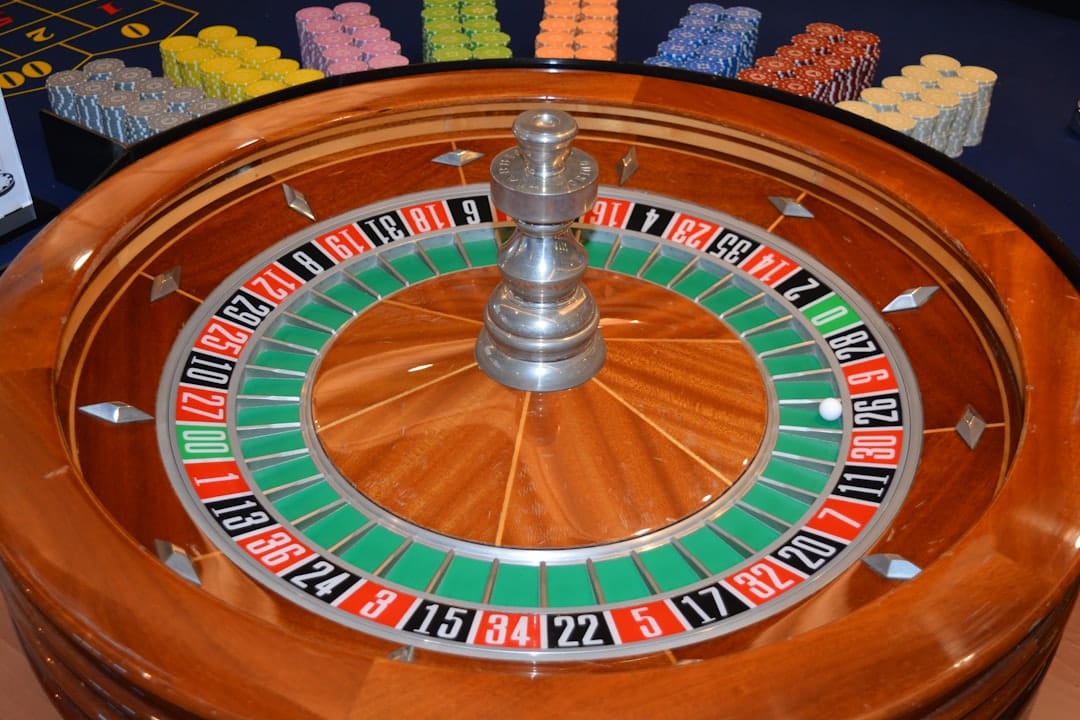
Unlike many other variants, Multi-Wheel Roulette typically utilizes just one single betting table. This table follows the European Roulette format, featuring a single green zero (0) and numbers 1 through 36. This is a significant advantage for Canadian players, as the single-zero layout offers a much better house edge than the American double-zero version.
The Multi-Wheel Array
Above the betting layout, you will see a series of roulette wheels—usually between six and eight. In most digital versions, players have the autonomy to enable or disable these wheels. If you only want to play three wheels, you simply click on the ones you wish to deactivate. Each wheel operates independently, utilizing its own Random Number Generator (RNG) to ensure that every spin is unique and fair.
The HUD (Heads-Up Display)
Because the action is so fast, the game features a sophisticated display showing the recent history of all active wheels, the total amount wagered per spin, and a detailed breakdown of winnings across the entire array. For Canadian players using CAD, the interface clearly denotes the total stake per spin, which is a crucial component of the setup.
Step-by-Step Rules (Gameplay)
Playing Multi-Wheel Roulette requires a slightly different mental approach than the classic game because your bet is multiplied by the number of active wheels. Here is the step-by-step process:
Step 1: Choose Your Active Wheels
Before placing a chip, decide how many wheels you want to play. Most platforms default to the maximum (usually 8). If you are a beginner, you might want to scale down to 2 or 3 wheels to get a feel for the volatility.
Step 2: Place Your Bets
Place your chips on the betting layout just as you would in a standard game. You can place Inside Bets (Straight up, Split, Street, Corner, Line) or Outside Bets (Red/Black, Odd/Even, High/Low, Dozens, Columns). Crucial Note: Your bet amount is per wheel. If you place a $5 bet on Red and have 8 wheels active, your total stake for that spin is $40.
Step 3: Spin the Wheels
Once your bets are set, click the ‘Spin’ button. All active wheels will begin to spin simultaneously. In some advanced versions, the wheels may stop one by one, while in others, they all stop at once, revealing a flurry of results.
Step 4: Determine the Outcome
Each wheel is treated as a separate event. If you bet on Red and five wheels land on Red while three land on Black, you win five times and lose three times. The game automatically aggregates these results and credits your balance.
Step 5: Payouts and Rebetting
Payouts follow the standard European Roulette rules (e.g., 35:1 for a Straight Up bet). After the results are tallied, you have the option to ‘Rebet’ (place the same bets), ‘Rebet and Spin’, or clear the table for a new strategy.
Advanced Strategies and Winning Tips
While roulette is ultimately a game of luck, the multi-wheel format allows for specific tactical approaches, particularly regarding variance management.
The Law of Large Numbers Strategy
In a single-wheel game, you might experience long streaks of one color. With eight wheels spinning at once, the results tend to gravitate toward the statistical mean more quickly. Many players use this to ‘smooth out’ their session. By betting on Outside Bets (like Red/Black), you are more likely to see a split of results that preserves your bankroll for a longer duration compared to the ‘all-or-nothing’ nature of a single wheel.
Progressive Betting Caution
Strategies like the Martingale (doubling your bet after a loss) are extremely dangerous in Multi-Wheel Roulette. Because your base bet is already multiplied by the number of wheels, a losing streak can deplete a bankroll in seconds. If you use a progression, apply it to the unit bet, and consider reducing the number of active wheels during a losing streak.
The ‘Column Coverage’ Tactic
A popular strategy among Canadian pros is to cover two out of the three columns while playing 8 wheels. This provides a high hit frequency across the wheels, often resulting in multiple winning wheels per spin, which can quickly compound profits if a specific column becomes ‘hot’ across the RNG array.
Common Mistakes to Avoid
To maximize your enjoyment and protect your CAD balance, avoid these common pitfalls:
- Ignoring the Total Bet: The most common mistake is forgetting that a $10 bet on 8 wheels is an $80 spin. Always check the ‘Total Bet’ indicator before hitting spin.
- Over-Extending the Bankroll: Because the game is fast, it is easy to play 100 spins in a fraction of the time it would take at a physical table. Set a strict time and loss limit.
- Chasing ‘Cold’ Numbers: In Multi-Wheel, just because a number hasn’t appeared on Wheel 1 doesn’t mean it’s ‘due’ on Wheel 4. Each wheel is an independent event with no memory of previous spins.
- Playing 8 Wheels with Low Balance: If your bankroll is small, playing 8 wheels increases your risk of ruin significantly. Start with fewer wheels and scale up as you build a cushion.
Conclusion
Multi-Wheel Roulette is the ultimate evolution of the classic casino game for the digital age. It offers the elegance of European Roulette combined with the intensity of a high-speed slot machine. For Canadian players, it provides a unique opportunity to test betting systems across a larger sample size in a shorter period. By understanding the multiplication of stakes and managing your bankroll with discipline, you can turn this multi-faceted game into a thrilling and potentially rewarding centerpiece of your gaming repertoire. Whether you are playing for the excitement of seeing eight balls drop simultaneously or seeking a way to diversify your roulette outcomes, Multi-Wheel Roulette is a must-try for any serious enthusiast.
Game Indicators Summary
| Indicator | Value |
|---|---|
| House Edge | 2.70% |
| RTF (Return to Player) | 97.30% |
| Volatility | High (Adjustable) |
| Hit Frequency | Variable (Very High with 8 wheels) |
| Max Win | 35:1 per wheel (Cumulative) |
| Skill Factor | Low (Chance-based with tactical bankroll management) |
| Bonus Frequency | N/A (Standard variant) |
Disclaimer: Before you start playing, it is essential to understand the risks involved. This guide is for educational purposes only.
Please read our full Responsible Gaming Guide and Terms & Conditions before placing any bets.
Never gamble more than you can afford to lose.